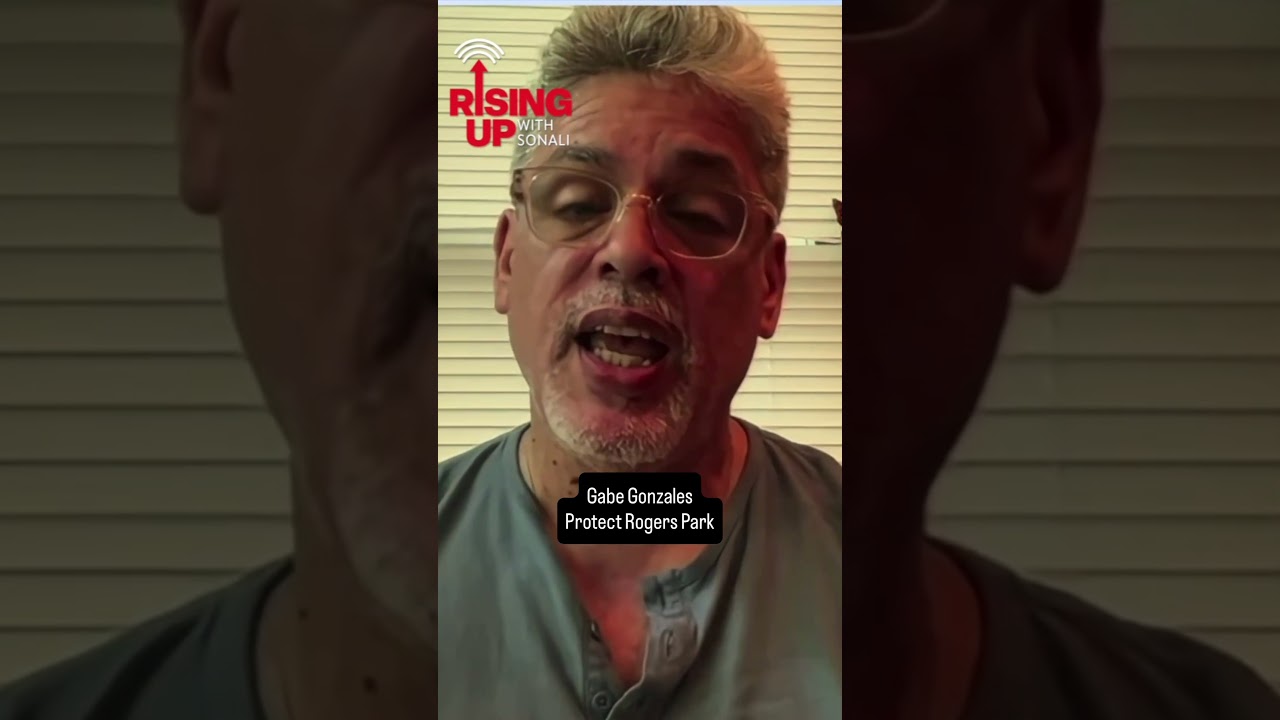
FEATURING GABE GONZALES - Donald Trump’s 2025 playbook on high-profile immigration raids provoked public outrage and turned the tide against harsh enforcement. In city after city last year, from Los Angeles to Chicago, Minneapolis to Memphis, people organized. They developed community-defense tactics involving patrols and trainings.
👋🏽
CLICK HERE TO PRE-ORDER a SIGNED COPY of Sonali's new book Breaking ICE: Community Self Defense Against State Terror and MAGA Fascism.
But this year, particularly since the killings of Renee Goode and Alex Pretti in Minneapolis, the Department of Homeland Security has changed tactics. ICE agents are no longer announcing their presence, and they are arresting more people per day on average. The killings of Lorenzo Salgado Araujo in Houston and Johan Sebastián Durán Guerrero in Maine illustrate that ICE’s tactics are no less deadly than they were. How are community organizers pivoting?
Gabe Gonzales is an organizer with Protect Rogers Park and has helped build neighborhood communication networks that verify ICE sightings, alert residents, and connect families with legal and community resources. He spoke with Sonali Kolhatkar about how he and others are changing tactics.
ROUGH TRANSCRIPT:
Sonali Kolhatkar: So how has the presence of ICE agents changed on the ground in Chicago? What are you seeing differently being done now than, say, a year ago or even six months ago?
Gabe Gonzales: Yeah, it's more like six months. It actually looks a little bit more like it did at the beginning of the reign of terror that Trump wanted to inflict on communities, which is that when most people, when they think about the ICE raids, they think about what the border patrol was doing here in Chicago and in Minneapolis and New York and other places where there were very large numbers of heavily armed, sort of tactical gear, mostly men, going into communities using sub-lethal, they called it, weapons like tear gas and pepper balls and arresting people in large numbers and also being met with very large resistance because come to find that people don't like men with guns coming into the neighborhoods and kidnapping their neighbors.
So it doesn't look like that anymore. What it looks like now in many communities, and not just those two cities that I've mentioned, I live in Chicago, but also in places like Memphis or in smaller cities across the United States, is teams of ICE agents, usually operating in somewhere between four and six.
This post is for paying subscribers only
Sign up now and upgrade your account to read the post and get access to the full library of posts for paying subscribers only.